
Why Doors and Gates Deserve More Attention Than They Usually Get
Most people think about doors and gates in terms of convenience. Does the garage door open when I press the button? Does the front gate close behind me? As long as the answer is yes, the doors and gates get ignored.
But doors and gates are safety systems. They control access to your property, protect the people inside, and create barriers between public spaces and private ones. When they fail, the consequences go beyond inconvenience.
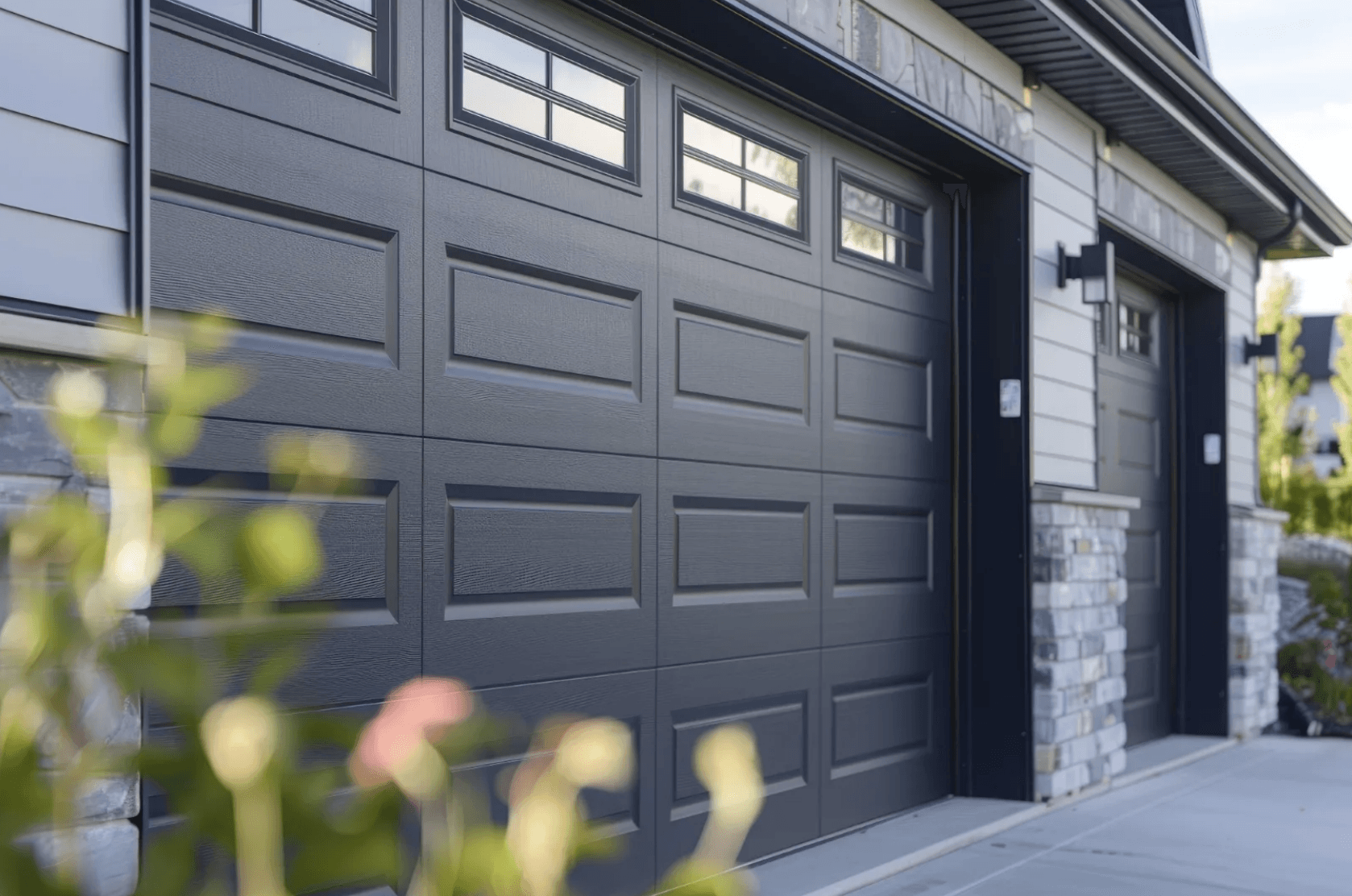
Garage doors are the heaviest moving object in most homes. A standard two-car garage door weighs between 150 and 250 pounds, depending on the material. That weight is managed by torsion springs that are under extreme tension. When those springs wear out or break, the door becomes unpredictable. It may not stay open. It may drop faster than expected. It may not reverse when something is in the way.
The safety sensors at the bottom of your garage door tracks are required by code for this exact reason. They detect objects in the door’s path and trigger an automatic reverse. If those sensors are misaligned, dirty, or damaged, the safety feature does not work. Testing your garage door sensors takes 30 seconds and should be part of any regular home check.
Exterior gates on residential and commercial properties have their own set of concerns. A gate that does not latch properly is a security gap. A gate that swings freely without a closer is an injury risk, especially in windy conditions or areas where children are present. And a motorized gate with worn tracks or a failing motor can stop working at the worst possible time, which is exactly when gate repair in Plano is hardest to schedule on short notice.
Commercial doors carry even higher stakes. Fire-rated doors, ADA-compliant entries, and access-controlled doors all have specific maintenance requirements. A fire door that does not close and latch on its own has failed its primary purpose. An automatic door opener that is not calibrated correctly can injure someone. These are not theoretical risks. They are liability exposures that facility managers deal with regularly.
The maintenance itself is usually simple. Lubricate hinges and tracks. Check springs and cables for wear. Test sensors and auto-reverse mechanisms. Tighten loose hardware. Inspect weather seals. Replace worn rollers. Most of this work takes less than an hour per door or gate.
The cost of ignoring it is what adds up. A garage door spring replacement is a routine service call, and prompt garage door repair in Plano keeps it that way. A garage door that has fallen off its tracks because the cables snapped is a much bigger job, and it usually damages the door panels, the tracks, and whatever was underneath it.
TAB handles doors and gates across North Texas for homeowners, property managers, and commercial facilities. Whether it is a garage door tune-up, a gate motor replacement, or a full commercial door service, we treat every door and gate as the safety system it actually is.